
What idiomatic expressions are related to nature?
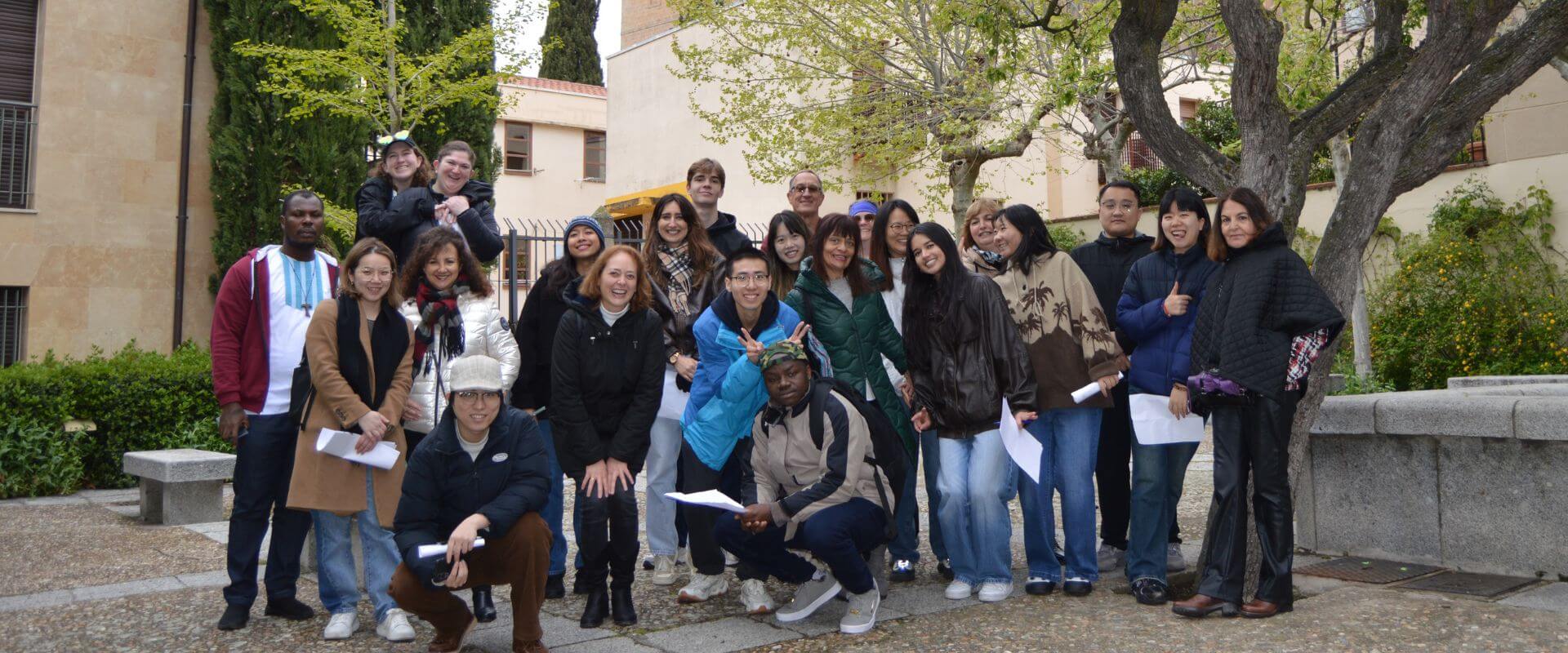
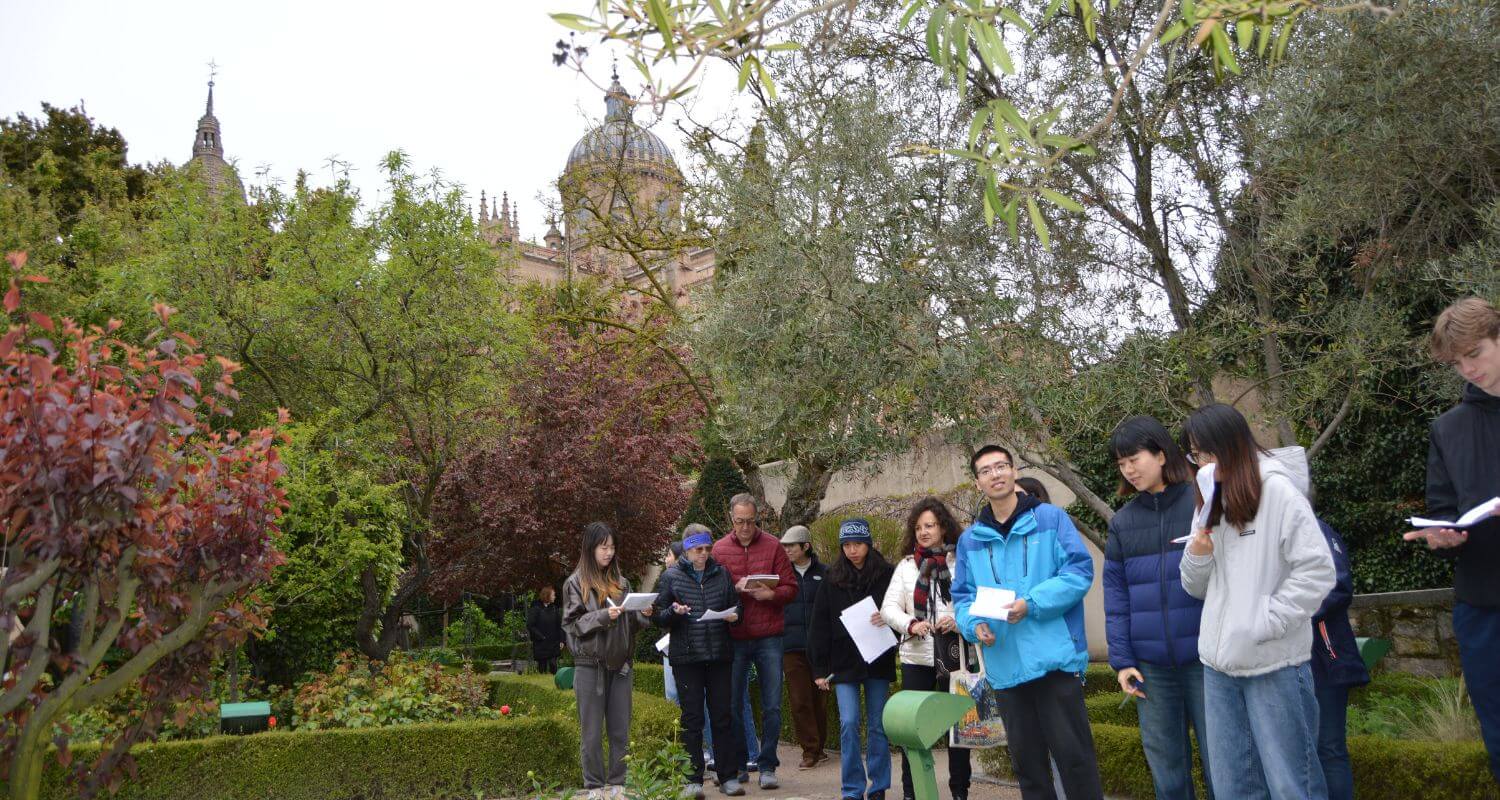
A few days ago, our students enjoyed a different kind of experience in one of the most magical corners of Salamanca: the Huerto de Calixto y Melibea.
This garden, full of history and literary references, is much more than a romantic spot overlooking the city walls. It is a living space filled with plant species that allow us to learn new vocabulary, connect with our surroundings, and reflect on the role each of us plays in caring for the environment.
As a Socially Responsible ELE School, we believe in learning that goes beyond the classroom—learning that can be experienced in the streets, parks, and gardens of the city. For this reason, during this visit we proposed a small observation project to our students:
What plant species can we find here? How can we contribute to preserving spaces like this?
Through this activity, we not only strengthened Spanish learning through a meaningful experience, but we also encouraged respect and appreciation for nature—values that are deeply connected to the identity of Salamanca.
The Huerto de Calixto y Melibea reminds us that sometimes the most important lessons are not found in books, but in what surrounds us.
In addition to discovering the plants, aromas, and history of this place, it was also the perfect opportunity to plant the seed of environmental awareness.
This garden, beyond its literary and cultural value, offers an ideal setting to talk about nature, sustainability, and commitment. As a Socially Responsible ELE School, we believe that learning should always be accompanied by values, and respect for the environment is one of them.
During the visit, we observed the garden’s plant diversity, reflected on the impact we have on our environment and, of course, continued learning Spanish through a short questionnaire.
At the end of the activity, our students completed a survey where we were able to measure their level of satisfaction with the visit: everyone rated this initiative positively!
Do You Know Any Idioms Related to Nature?
Taking advantage of this visit, today we would like to remember some idiomatic expressions connected with this experience.
General Nature
- Plantar la semilla (de algo)-To plant the seed (of something) → To start a process or an idea.
- Dar frutos –To bear fruit → To achieve positive results after effort.
- Estar en la flor de la vida –To be in the prime of life → To be at the best stage of life.
- Echar raíces- To put down roots → To settle in a place and feel connected to it.
- Cosechar lo que se siembra- You reap what you sow → You receive the consequences (positive or negative) of your own actions.
- Ser un brote verde –To be a green shoots → A sign of recovery or improvement (often used in economics or ecology).
Weather and Natural Elements
- Hacer un sol de justicia –A blazing sun (hacer un sol de justicia) → When it is extremely hot.
- Estar en las nubes –To have your head in the clouds → To be distracted or absent-minded.
- Llover a cántaros – To rain cats and dogs → To rain very heavily.
- No hay mal que por bien no venga – Every cloud has a silver lining → Something negative may bring something positive.
- Ser un viento fresco – A breath of fresh air → A person or idea that brings renewal and energy.
Animals and the Natural World
- Ser un bicho raro –To be a rare bird (ser un bicho raro) → To be different or unusual.
- Buscarle tres pies al gato– To look for three feet on the cat (buscarle tres pies al gato) → To complicate something unnecessarily.
- Estar como una cabra –To be as crazy as a goat → To be eccentric or a bit crazy.
- Ser más terco que una mula – As stubborn as a mule → To be very stubborn.
- Tener pájaros en la cabeza –To have birds in your head → To have unrealistic or fanciful ideas.
Plants and Flowers
- Ser la flor y nata – The cream of the crop (ser la flor y nata) → The best or most outstanding people in a group.
- Ser como una rosa – Fresh as a rose (estar como una rosa) → To look healthy and feel great.
- Tener mala hierba – Bad weeds never die (tener mala hierba) → Said about people who are difficult to get rid of or who always come back.
- No todo el monte es orégano –Not everything is oregano on the mountain (no todo el monte es orégano) → Not everything is easy or pleasant; there are also difficulties.
Are you in Salamanca? Come and discover it for yourself. And if not, keep following our blog to learn how Spanish can be learned through real-life experiences.